
Post-Ski Relaxation and Wellness Tips
Maximizing Your Recovery After a Long Day on the Slopes
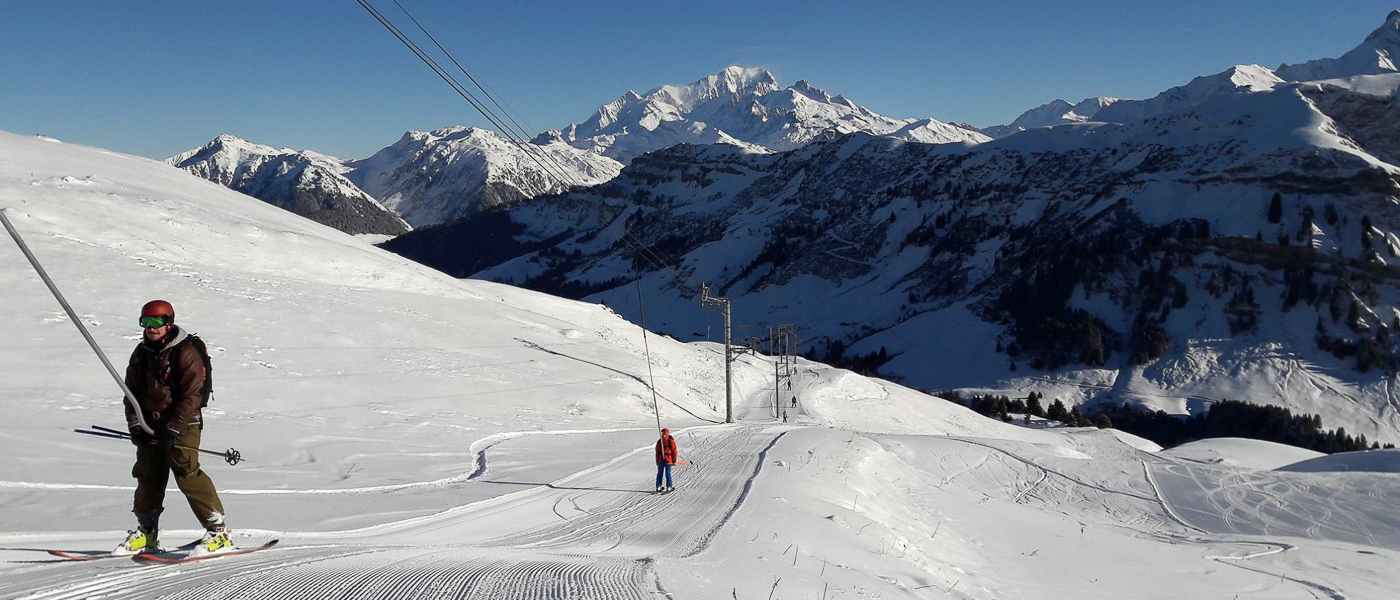
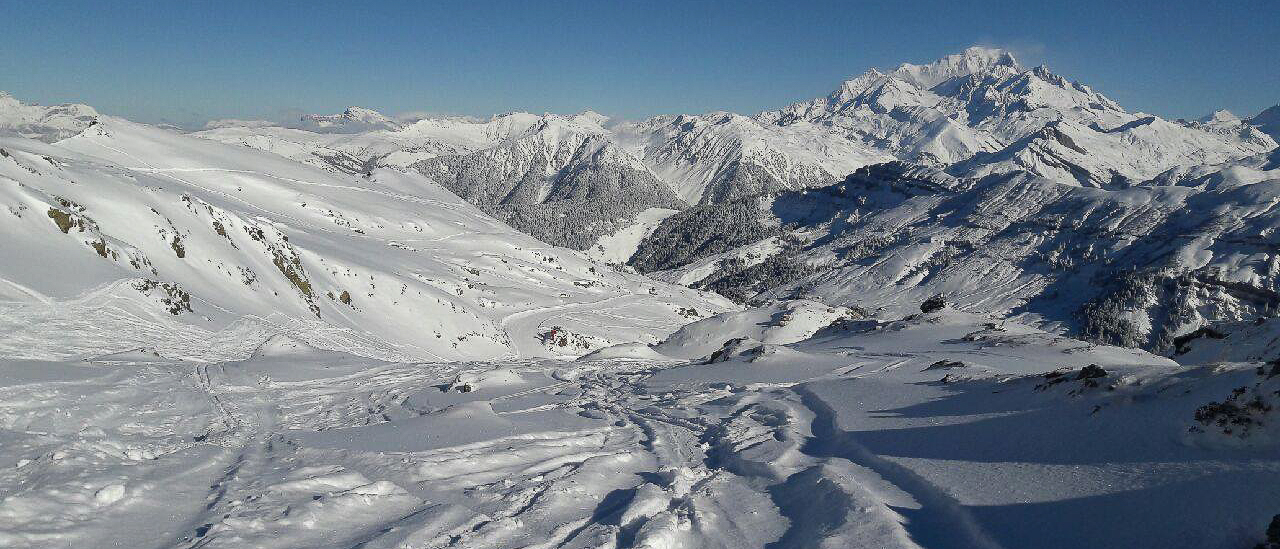
Spending a few days carving down the magnificent French Alps provides an incredible rush, testing your endurance and strengthening your muscles. However, hitting the slopes hard from morning until afternoon takes a toll on your body, making proper recovery an essential part of any successful winter sports holiday. Whether you are staying in a cozy chalet in La Clusaz or exploring the vast powdery domains near Geneva, balancing high-energy ski sessions with mindful relaxation ensures you return home feeling truly rejuvenated.
When taking a well-deserved break from the chilly mountain air, many travelers love to unwind by exploring entertaining indoor activities, discovering local culture, or even checking out a free bonus on registration no deposit uk while lounging comfortably by a roaring fireplace. True wellness during a ski holiday is all about variety combining thrilling outdoor adventures with moments of absolute peace, warmth, and mental downtime.
Essential Post-Ski Stretching Routines
Ignoring your muscles after an intense day of skiing is a recipe for severe stiffness the following morning. Dedicating just fifteen minutes to a targeted stretching routine makes a monumental difference in how your body feels.
- Focus heavily on your quadriceps and hamstrings, which bear the brunt of the downhill pressure.
- Stretch your calves thoroughly to prevent cramping after locking them into stiff ski boots for hours.
- Release tension in your lower back with gentle rotational twists and knee-to-chest holds.
- Finish with shoulder and neck rolls to relieve the upper body tension caused by holding ski poles.
Hydration and Nutrition for Peak Recovery
Physical exertion at high altitudes rapidly depletes your body's fluid and energy levels, even if you do not feel intensely thirsty in the cold mountain climate. Drinking plenty of water throughout the day is critical for preventing altitude headaches and muscle fatigue. Pair your hydration strategy with nutrient-dense meals rich in complex carbohydrates and lean proteins to effectively repair muscle fibers overnight.
The Balance of Sleep and Mountain Fresh Air
Nothing accelerates physical recovery quite like deep, restorative sleep. The crisp alpine air naturally promotes better sleep quality, but you must allow your body enough hours to truly wind down. Turn off screens at least an hour before bed, enjoy a warm herbal tea, and let the profound silence of the mountains lull you into a deep sleep, preparing you to tackle the powdery slopes all over again the next day.